How Permanent LED Lighting Installment Adds Beauty, Safety And Security, and Ease
A well-lit home adjustments character after sundown. Rooflines develop, stone and siding get structure, sidewalks end up being easier to adhere to, and the entire building feels much more completed. Great exterior illumination has actually always done that, but also for years house owners needed to pick between two incomplete options: temporary seasonal lights that looked cheery for a couple of weeks, or typical landscape lights that dealt with only component of the task. Long-term LED Illumination Installment has actually altered that equation.
Done correctly, it provides a home a flexible illumination system that looks subtle on regular nights, commemorative throughout holidays, and practical when safety and security matters most. It is one of those upgrades that appears decorative at first, after that quickly proves itself in everyday use. Property owners normally begin by wanting a cleaner option to climbing up ladders yearly. They wind up valuing the visual charm, the decreased upkeep, and the basic comfort of pulling right into a well-lit driveway on a dark evening.
The charm is not just ease. It is the combination of beauty, security, and control, all developed into the structure of the home as opposed to hanging from it as an afterthought.
Why permanent illumination really feels different from temporary lights
Most people understand what short-term holiday lights appears like when it is installed quickly. Cords sag a little. Clips shift. A few sections quit working at the most awful time. Shades rarely look the exact same from one light bulb to the next, particularly after a season or more of storage in a hot garage. The arrangement may still bring pleasure, however it commonly looks specifically like what it is: a short-term system.
Permanent Holiday Lighting work in a different way due to the fact that they are developed as part of the home's exterior instead of something draped over it. The most effective systems tuck nicely under soffits or along building lines to ensure that the components stay virtually invisible throughout the day. In the evening, the light appears to find from your house itself. That creates an extra polished result, one that really feels willful rather than seasonal.
This issues more than many homeowners anticipate. Exterior upgrades are usually judged by whether they enhance the appearance of a property also when they are not actively being used. An irreversible system can do that due to the fact that the hardware is discreet. You are not staring at dangling cables in January or wrestling containers back into storage space in February. The lights is merely there, all set when needed.
That readiness alters the relationship individuals have with outdoor lights. As opposed to asking, "Is it worth the trouble to place illuminate this year?" they start asking, "What do we want your home to resemble this weekend break?" That is an extremely various sort of ownership experience.
The aesthetic upgrade goes beyond holidays
A great deal of property owners initial hear about irreversible systems with vacation display screens, which makes sense. Seasonal illumination is psychological. It marks family members traditions, gatherings, and special seasons. Once individuals see what these systems can do on regular nights, the year-round value ends up being clear.
One of one of the most popular settings is not significant at all. It is a controlled, sophisticated pattern using Timeless Warm Soft Lights along the roofline and optimals. That look flatters virtually every building design, from block colonials to modern-day farmhouses to stucco homes in warmer environments. Warm tones are less complicated on the eyes than extreme blue-white light, and they have a tendency to match landscape design, natural timber, and stonework much better.
Subtle lighting can make a home appear much more costly without making it louder. It chooses eaves, dormers, and entryways in such a way that assists the structure read clearly during the night. If the system is zoned well, home owners can light just the front altitude on a typical evening, then broaden to side gables, patio lines, or backyard entertaining locations when visitors are over.
There is also a practical design benefit below. Conventional flood lamps tend to clean a wall in wide light, which can flatten detail and create glow. Distributed LED factors develop definition. Rather than frustrating the eye, they lead it. Your home looks composed.
That result is particularly useful for properties that disappear at night. Some homes look excellent in daylight however come to be visually confidential after dark because they have only a deck light and a garage fixture. A long-term system provides the home presence after sunset without pushing it right into an industrial or excessively staged look.
Safety is usually the function individuals appreciate most
Homeowners usually look for long-term illumination because they are tired of installing momentary lights, however they frequently end up talking most about safety and security as soon as the system remains in place.
The most apparent safety and security advantage is the one individuals think of first: say goodbye to repeated ladder job. Climbing up to second-story rooflines with clips, cables, and staples is unpleasant also for certain DIYers. It comes to be riskier in winter, on steep pitches, or when leaves and frost make surfaces slick. Every installer has actually seen instances of makeshift configurations that looked a lot more harmful than festive. A skillfully installed system minimizes that annual threat to almost zero.
Then there is the nighttime security of the property itself. A dark front walk, side backyard, or driveway edge welcomes errors. Excellent architectural lights boosts presence without the violence of an activity flooding. Guests can see where they are going. Distribution motorists can determine the right house more quickly. Family members getting back late feel much less like they are walking into a blacked-out lot.
Lighting likewise adds to viewed safety. It is not a permanent holiday lights for house replacement for locks, video cameras, or sound judgment, but homes that are softly and regularly brightened tend to feel much less isolated. Dark edges end up being much less welcoming. Entrance points are less complicated to monitor. A residence that is noticeably inhabited and well looked after sends a signal, and that signal matters.
There is a balancing act right here, though. A lot more brightness does not automatically suggest more safety and security. Overlit homes can produce glow, deep shadow contrasts, and inflamed neighbors. The far better approach is split, regulated light placed where it assists people see edges, approaches, and entries. This is one more reason professional design issues. A thoughtful installer will go for function and restraint, not raw output.
Convenience is where the worth substances over time
The real toughness of Permanent LED Illumination Installment shows up month after month. It is not simply that you prevent hauling boxes out of storage space. It is that the system ends up being simple to utilize in small, regular ways that make a home more pleasurable to live in.
One household might utilize cozy white lighting every night with winter due to the fact that sunset comes early and the house feels extra inviting in this way. An additional might change to institution shades on video game nights, softer amber tones for fall, red and eco-friendly in December, and patriotic motifs on legal holidays. A pair who delights outdoors might use the system to specify a patio boundary during supper parties, after that dim it later at night. A person with maturing moms and dads might keep paths and entry points lit up on a timetable so no one has to stumble in the dark.
That array matters because a fixed system should not really feel dealt with being used. The technology is important only if it adjusts to the real world. Application control, scene presets, timers, and zoning make that possible. The most effective setups are simple enough that anyone in the house can use them without checking out a hands-on every time. If transforming a lighting scene seems like setting a plane cockpit, the novelty disappears quickly.
There is additionally a seasonal benefit that many individuals neglect. Weather home windows end up being unnecessary. You do not need to discover a light Saturday to set up lights prior to a holiday, or thrill to remove them after a tornado. The lights are already there, straightened, examined, and integrated. That alone can be worth the financial investment for house owners with tall rooflines or demanding schedules.
What a high quality setup in fact involves
A strong result depends as much on planning as on the lights themselves. Property owners often presume all long-term systems are primarily the exact same, but there is a meaningful distinction in between a very carefully mounted architectural item and a rushed setup that happens to stay outdoors year-round.
The installer should start by examining the roofline, trim account, power gain access to, and exposure from the road. Positioning impacts whatever. Mount the components as well low and they become apparent throughout the day. Space them inadequately and you get hot places or unpleasant voids. Ignore the home's geometry and the illumination can make a lovely house look strangely segmented at night.
Cable routing issues too. Tidy cable management is one of the silent signs of specialist job. Excellent installers conceal lines, protect connections from dampness, and prevent developing future service headaches. They also make up development, weather direct exposure, and the particular product they are connecting to, whether that is light weight aluminum fascia, vinyl soffit, block trim, or repainted wood.
Control systems should have equivalent attention. Homeowners must recognize where the power supply will live, just how the controller links, what takes place if Wi-Fi is undependable, and just how manual overrides work. These useful information seldom appear in glamorous before-and-after images, yet they have a major result on day-to-day satisfaction.
A useful discussion with an installer usually covers at least these factors:
- How noticeable will the components be throughout daytime from the street and from the yard?
- What color temperature functions best for everyday use, particularly if the goal is Timeless Warm Soft Lights as opposed to bright holiday tones?
- How are power, circuitry, and weatherproof connections being handled?
- Can the system be zoned so various rooflines or areas run independently?
- What does service resemble if a section needs troubleshooting later?
When home owners ask these concerns early, they often tend to improve results. They also stay clear of the typical blunder of purchasing by light bulb matter alone. A lot more nodes do not always produce a better look. Layout self-control matters more.
Color, heat, and restraint make the difference
One of the simplest means to tell whether a lights design will mature well is to check out exactly how it handles white light. Virtually any system can produce bright colors for an event. The harder job is making a house appearance lovely on a normal Tuesday in February.
That is where warm-toned everyday scenes gain their keep. Soft amber-white or cozy white settings have a tendency to flatter most exteriors and prevent the clean and sterile feeling that chillier lighting can create. If the goal is beauty instead of phenomenon, your house should feel delicately described, not electrified.
Many property owners who originally ask for vivid screens ultimately resolve right into a regular where shade is for unique occasions and warm white does the heavy raising the remainder of the year. That pattern makes sense. Vibrant scenes are fun, but refined light is much more livable. It respects the neighborhood, photos better, and stays appealing over the long run.
Restraint likewise aids home worths in a wider sense. Exterior enhancements function best when they enhance architecture as opposed to compete with it. An irreversible system should provide you options, not pressure you into making use of all of them at once.
Cost, long life, and what "worth it" truly means
The price of Permanent LED Lights Installment differs extensively based on roofline complexity, system high quality, controller attributes, and neighborhood labor prices. A one-story home with a straightforward front elevation is a various task from a multi-gable two-story residence twisting around a yard and backyard entertaining area. For that reason, sweeping cost cases are not extremely useful.
A better way to think of worth is to contrast what the system replaces and what it includes. It changes reoccuring seasonal setup effort, duplicated acquisitions of temporary strings and clips, storage space hassle, and some risk. It includes year-round aesthetic appeal, programmable scenes, far better exposure, and more comprehensive usage beyond holidays.
For some homes, the return is emotional as much as economic. They quit fearing configuration. They get even more use out of their exterior areas. Their home really feels finished every night. That is difficult to take into a spreadsheet, but it is real.
That stated, not every residential or commercial property requires a full-system setup. Some homes might benefit a lot more from an easier mix of landscape lighting, access illumination, and a limited permanent roofline accent. Good suggestions is rarely optimum. It fits your house, the spending plan, and just how the family really lives.
Where long-term lights shine brightest in daily life
The strongest systems earn their location not throughout significant vacations, however in smaller sized moments. A household obtains home after an evening game and your home is gently lit. Visitors show up for a birthday dinner and immediately find the front path. Grandparents check out during winter and there is enough light to navigate actions with confidence. A homeowner away on travel can trigger a classy night scene so your home never shows up vacant.
Those minutes are common, which is precisely the factor. Home upgrades that boost regular life tend to last. They become part of the rhythm of the home rather than an uniqueness function used twice a year.
I have actually likewise seen permanent lighting address visual problems that had absolutely nothing to do with holidays. A home with a deep setback from the street can look far-off and underwhelming after dark. A correctly designed roofline system offers it definition. A modern-day home with sharp geometry can appear flat at night unless light traces the kinds. Even older homes with modest architecture can acquire a sense of care and presence from understated illumination.
Common blunders home owners can avoid
The largest errors are typically not technological failings. They are judgment errors. Individuals get excessive brightness, way too many shades, or insufficient layout support. They assume any specialist that can physically connect the system recognizes architectural lights. That is not always true.
A few patterns show up often:
- Choosing illumination based on showroom perceptions instead of genuine property scale.
- Ignoring how the system looks in daylight when lights are off.
- Skipping zoning, then being sorry for the all-or-nothing procedure later.
- Treating every elevation the same instead of replying to architecture.
- Underestimating the relevance of application use and service access.
These are avoidable troubles. They boil down to reducing the choice procedure enough to think of day-to-day usage, not simply launch-day excitement.
Matching the illumination to the home, not the trend
Styles transform quickly in exterior style. What really feels remarkable now can feel dated in a couple of years. That is one factor irreversible systems should be designed around the design first and patterns second.
A timeless brick home typically benefits from softer, cleaner describing and traditional scene choices. A contemporary home might support crisper geometry and periodic strong shade much more pleasantly. A wooded building might require lower intensity since darkness in the environments makes the lights read brighter. A thick neighborhood may require much more restraint out of politeness to close-by homes.
This is why long-term illumination functions best when it is considered architectural enhancement instead of uniqueness lighting. The modern technology is just the distribution system. The genuine objective is to make the building much more usable and a lot more eye-catching after dark.
When home owners approach it by doing this, they have a tendency to select far better products, ask much better inquiries, and wind up with setups they still value years later.
A useful upgrade that individuals utilize greater than they expect
Some home improvements make a dash on the first day and then fade into the history. Long-term Vacation Lighting commonly do the contrary. They seem like a specific niche deluxe in the beginning, after that come to be something homeowners use regularly due to the fact that the system is easy, flexible, and visually rewarding.
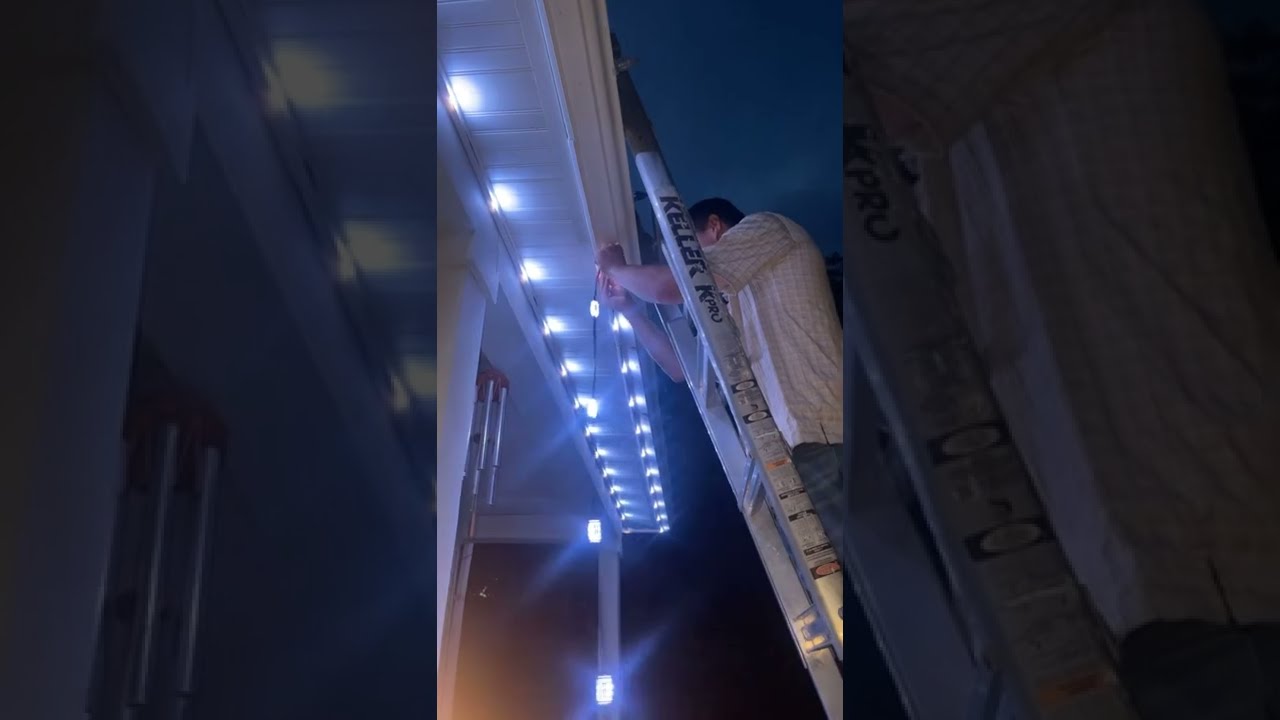
The elegance originates from a home that holds its shape and presence after sunset. The safety comes from far better presence and much less ladder job. The comfort comes from having illumination prepared at the press of a button instead of hidden in storage bathtubs. Include the alternative for classy Traditional Warm Soft Lights on routine nights and vibrant scenes when the celebration calls for them, and the upgrade starts to make good sense well beyond the vacation season.
That is the real guarantee of Permanent LED Lighting Installment. It is not almost celebrating much more conveniently. It is about giving a home a trusted, polished nighttime identification, one that works in quiet everyday moments just as well as it does on unique nights.